
Categories
Investment, Commercial Real EstatePublished September 16, 2026
10 Questions We Ask Before Recommending Any Commercial Property to a Client

Purchasing commercial real estate isn't just about finding a property with a good location or attractive price. The right investment can create long-term wealth, while the wrong one can become an expensive lesson.
After helping investors, business owners, and developers evaluate commercial opportunities throughout the St. Louis area, we've learned that asking the right questions early can uncover issues that aren't obvious during a showing.
Before we recommend moving forward with any commercial property, these are ten of the first questions we work through with our clients.
1. Is the Current Zoning Right for Your Intended Use?
One of the biggest mistakes investors make is assuming a property can be used however they envision.
Every municipality has zoning regulations that dictate what activities are allowed on a property. A building that appears perfect for a restaurant may only be approved for office use. A warehouse may have restrictions on retail sales. Even properties currently operating as one type of business may become "legal nonconforming" if zoning has changed over time.
Before making an offer, confirm that your intended use is permitted—or determine what would be required to obtain approvals.
2. Are Utilities Adequate for Your Business or Development Plans?
Utilities can make or break a commercial project.
Questions we investigate include:
- Is public water available?
- Is public sewer available?
- What electrical service exists?
- Is three-phase power available if needed?
- Is natural gas available?
- Are utility upgrades likely to be required?
A property that looks like a bargain can become significantly more expensive if major utility improvements are needed.
3. Are There Environmental Concerns?
Environmental issues aren't limited to heavy industrial sites.
Past uses of a property can affect future development and financing.
Examples include:
- Former gas stations
- Dry cleaners
- Auto repair facilities
- Manufacturing operations
- Car washes
- Underground storage tanks
Depending on the property's history, buyers may choose to complete environmental due diligence before closing.
4. How Easy Is It for Customers, Employees, or Delivery Vehicles to Access the Property?
Location matters—but so does access.
Consider:
- Highway visibility
- Traffic flow
- Left-turn access
- Multiple entrances
- Truck access
- Delivery routes
- Future road improvements
A property on a busy road isn't always the easiest property to reach.
5. Are There Easements That Limit How the Property Can Be Used?
Many buyers don't think about easements until after closing.
Utility easements, drainage easements, shared drive agreements, access easements, and other recorded restrictions may affect future expansion plans or limit where buildings can be constructed.
Understanding these limitations early helps avoid expensive surprises.
6. Does the Parking Match the Intended Use?
Parking requirements vary dramatically depending on the business.
Questions we ask include:
- How many spaces currently exist?
- Are they properly striped?
- Are ADA requirements met?
- Is there room for expansion?
- Will municipal parking requirements allow your intended use?
Insufficient parking can become a major obstacle for restaurants, medical offices, retail businesses, and many service industries.
7. What Is the Long-Term Redevelopment Potential?
Sometimes the building isn't the investment.
The land is.
We often evaluate questions like:
- Could additional buildings be added?
- Is there excess acreage?
- Could the site be subdivided?
- Would rezoning increase value?
- Is there opportunity for future mixed-use development?
Thinking beyond today's use can reveal opportunities that many buyers overlook.
8. What Deferred Maintenance Could Become a Major Expense?
Commercial inspections often uncover significant repair items.
We encourage buyers to look beyond cosmetic updates and evaluate major systems, including:
- Roof condition
- HVAC systems
- Parking lots
- Structural components
- Drainage
- Exterior maintenance
Knowing what may require replacement in the coming years helps buyers budget more accurately and negotiate more effectively.
9. Does the Property Actually Support Your Investment Goals?
Not every commercial property is right for every investor.
A value-add investor may welcome deferred maintenance that creates upside potential.
An owner-occupant may prioritize move-in-ready condition.
A long-term investor may focus on appreciation, while another buyer is primarily concerned with immediate cash flow.
The property should support your strategy—not force you to change it.
10. What Don't We Know Yet?
This may be the most important question of all.
Every commercial property has a story.
The goal of due diligence is discovering that story before closing—not after.
Depending on the property, additional investigation may include reviewing surveys, title commitments, leases, operating expenses, municipal records, flood maps, utility availability, development plans, environmental reports, or engineering studies.
The more questions answered before closing, the fewer surprises you'll face afterward.
From Josh's Desk
One thing I've learned over the years is that commercial real estate isn't about finding the "perfect" property—it's about understanding the risks and opportunities before you commit.
I've had clients walk away from properties that looked incredible because the zoning didn't fit their plans or utility upgrades would have blown the budget. I've also seen overlooked properties become excellent investments because we recognized redevelopment potential that wasn't obvious at first glance.
That's why I never look at commercial real estate as just a building. I'm looking at what the property can become, what challenges might exist beneath the surface, and whether it truly supports the client's long-term goals.
The right commercial investment isn't always the flashiest one—it's the one that makes sense after the due diligence is complete.
Frequently Asked Questions
Should I buy commercial property through an LLC?
Many investors choose to purchase commercial real estate through a business entity, but the right ownership structure depends on your legal, tax, and liability considerations. Consult your attorney and CPA before deciding.
Is a commercial inspection worth it?
In most cases, yes. Commercial properties often involve larger financial commitments and more complex building systems than residential properties, making professional inspections an important part of due diligence.
How long is the due diligence period?
It varies depending on the contract, the property, and the complexity of the transaction. Larger commercial properties often require additional time to review documents, inspections, environmental information, and financing.
Is location still the most important factor?
Location remains important, but access, zoning, surrounding development, infrastructure, and future growth can be just as significant when evaluating a commercial investment.
Can zoning be changed after purchasing a property?
Sometimes. However, rezoning is never guaranteed and typically requires going through the local municipality's approval process. Buyers should never assume rezoning will be approved without verifying the process and associated risks.
Bottom Line
Commercial real estate is about more than buying a building—it's about understanding how that property fits your investment strategy today and how it can serve your goals in the future. Asking the right questions before making an offer can uncover opportunities, reduce risk, and help you make more confident investment decisions.
Whether you're purchasing your first commercial property or expanding an existing portfolio, thorough due diligence is one of the best investments you can make before closing.
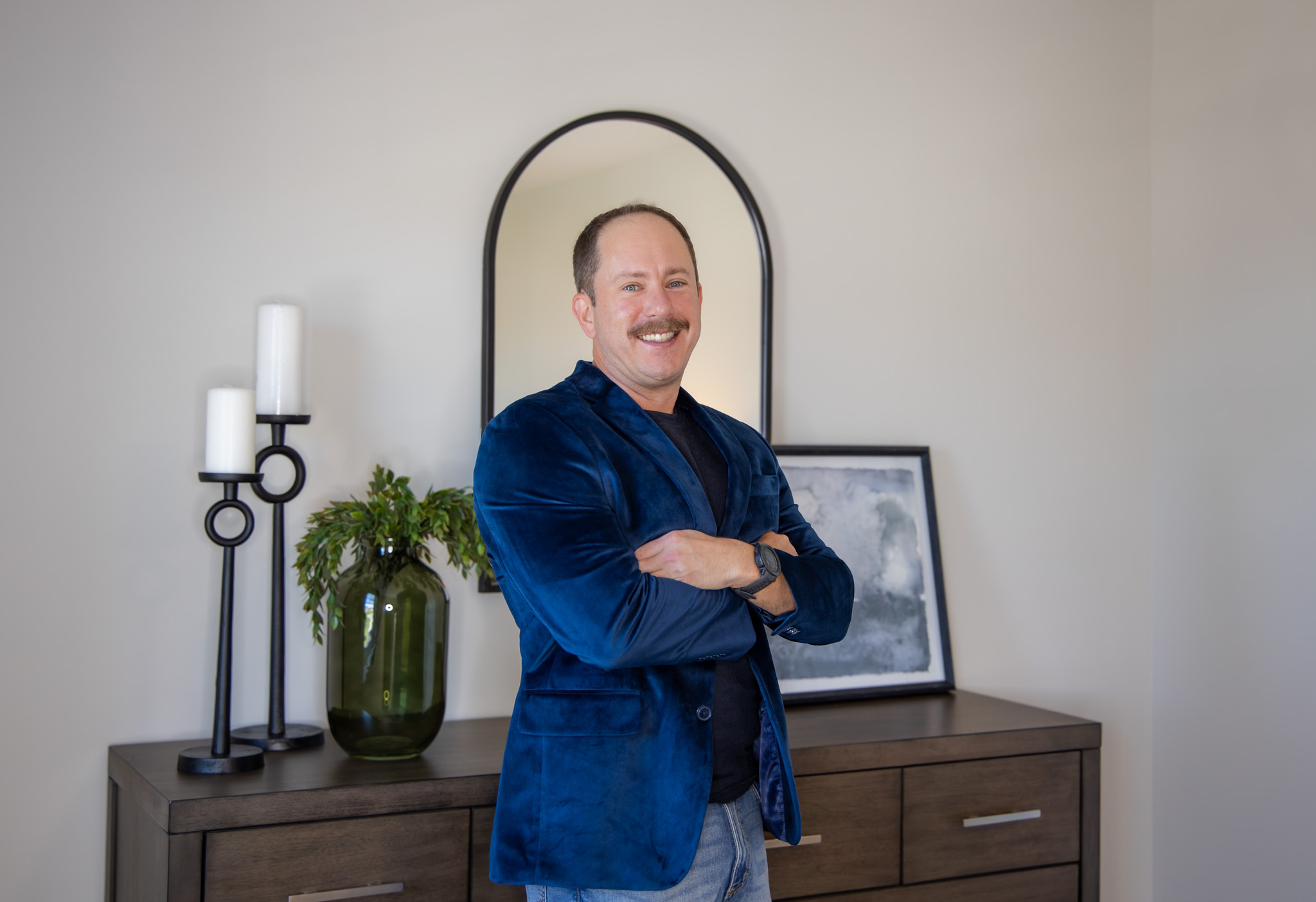
Josh Voyles
Realtor® Broker Associate | Voyles Realty Group | Keller Williams Saint Louis
or another way