
Published May 18, 2026
Why Some Homes Sell Fast… and Others Sit (Even in the Same Neighborhood)

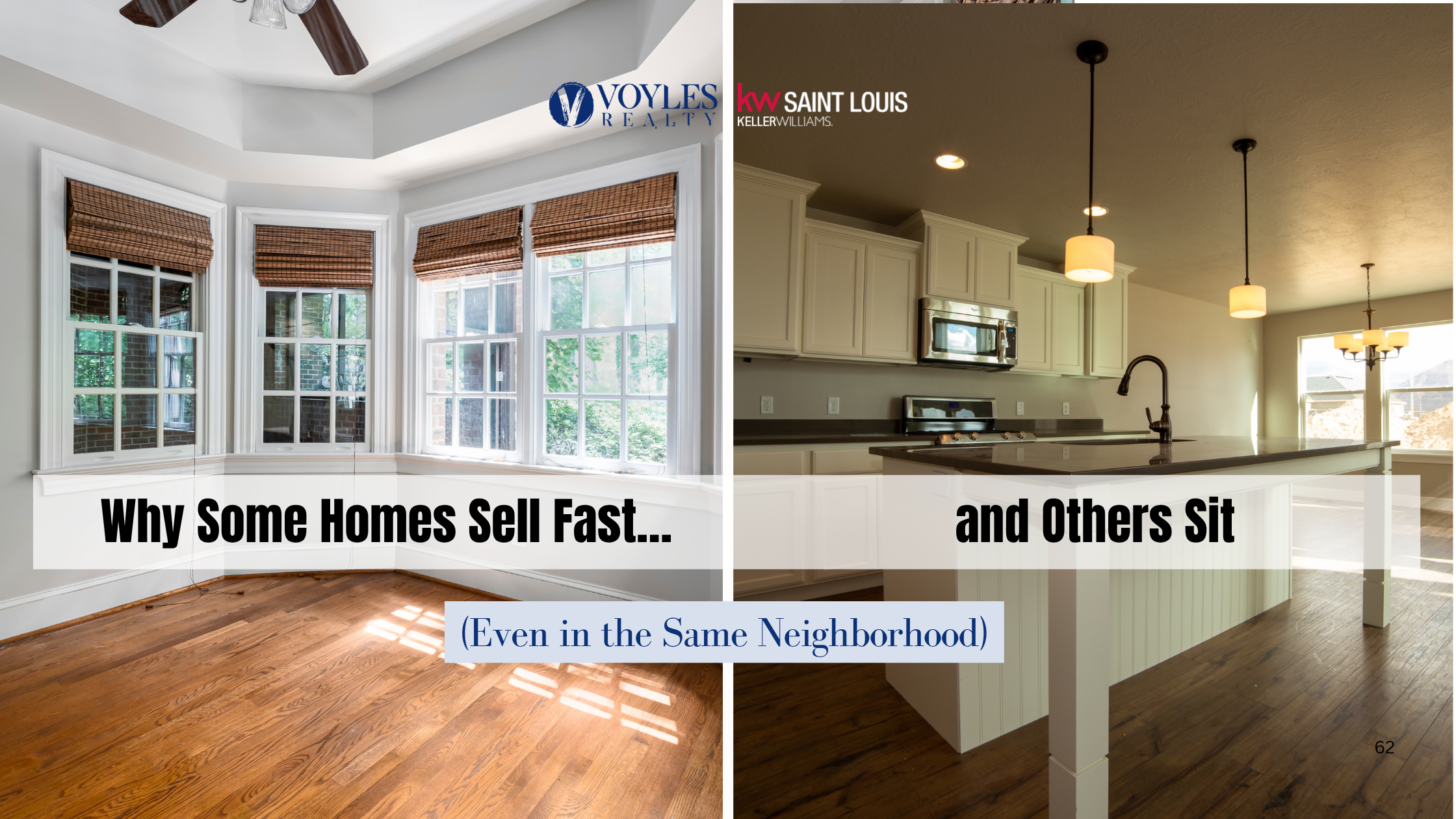
This is one of the most confusing parts of real estate for homeowners.
Two homes can be in the same neighborhood. Similar square footage. Similar age. Similar number of bedrooms.
And somehow one gets multiple offers the first weekend… while the other sits for weeks with little activity.
From the outside, it can feel random. Or frustrating. Or like the market suddenly “changed overnight.”
But usually, there’s more going on beneath the surface.
Because homes rarely sell quickly just because the market is good. And homes rarely sit just because the market is bad.
Most of the time, it comes down to a combination of pricing, preparation, presentation, and buyer perception.
Buyers Compare Everything
One thing sellers sometimes forget is that buyers aren’t looking at your home in isolation.
They’re comparing it to every other home they’ve seen online that week.
That means buyers aren’t just asking:
“Is this house nice?”
They’re asking:
“Is this house worth it compared to the others available at this price?”
And that’s where small differences start mattering a lot.
A home with cleaner presentation, better lighting, updated paint, stronger photography, or a more functional feel may create more excitement dramatically — even if the actual homes are objectively pretty similar.
Buyers make emotional decisions first and logical decisions second. The homes that create immediate emotional connection usually gain momentum faster.
Pricing Is About Psychology, Not Just Math
This is probably one of the biggest misconceptions sellers have.
Pricing isn’t just about what the seller hopes to get or even what the neighbor sold for six months ago. It’s about how buyers perceive value right now.
When a home is priced appropriately for its condition, location, updates, and competition, buyers tend to respond quickly because the house feels like an opportunity.
But when buyers feel uncertain about value, hesitation creeps in.
And hesitation is dangerous in real estate.
Once a listing starts sitting longer, buyers begin wondering:
“What’s wrong with it?”
Even if the answer is “nothing.”
That’s why overpricing can actually reduce leverage instead of creating it.
Ironically, the homes that create the strongest competition are often the homes priced realistically from the beginning.
Presentation Matters More Than Sellers Want It To
We say this gently because we know people are living real lives inside these homes.
But presentation absolutely affects buyer behavior.
And no, that doesn’t mean every house needs to look like a luxury magazine spread.
It means buyers need to be able to emotionally settle into the space when they walk through it.
Homes that feel dark, crowded, overly personalized, or poorly maintained create mental friction for buyers. Meanwhile, homes that feel bright, clean, open, and welcoming allow buyers to focus on possibility instead of distraction.
Sometimes the difference between a fast sale and a slow one is surprisingly simple:
- cleaner sightlines
- fresh paint
- better furniture placement
- improved lighting
- decluttering
- professional photography
- curb appeal
- odor control
- small maintenance fixes
Those details shape first impressions quickly.
And first impressions matter more online than ever before.
Strategy Changes Market Response
This is the part people don’t always see from the outside.
Strong listings usually have a lot happening behind the scenes before they ever go live.
Timing photography correctly.
Preparing sellers for showings.
Understanding buyer demand in that price range.
Knowing what updates matter most.
Building anticipation before active showings begin.
Crafting marketing that highlights lifestyle instead of just features.
The goal isn’t just to “put a house online.” It’s to position the home so buyers feel urgency and emotional connection immediately.
Because momentum matters.
When buyers see other people interested, appointments filling quickly, and strong activity early on, it creates confidence. Confidence creates action.
Sometimes the Market Has Shifted
Now to be fair — sometimes it really is the market.
Interest rates change. Inventory changes. Buyer confidence changes. Seasonal demand shifts throughout the year. Different price points behave differently.
The St. Louis market isn’t one giant universal experience. A starter home in Affton may behave very differently than a luxury property in Fenton or a rural property farther out in Jefferson County.
That’s why hyperlocal strategy matters so much.
What worked for a neighbor six months ago may not be the right strategy today.
The Goal Isn’t Just “Selling” — It’s Selling Well
This is important.
Most homes will eventually sell if the price drops far enough.
But the real goal is usually to help sellers maximize:
- timing
- leverage
- stress reduction
- buyer confidence
- negotiation strength
- overall experience
And that starts long before the sign goes in the yard.
Honestly, the homes that tend to sell fastest usually aren’t the “perfect” homes.
They’re the homes that were prepared thoughtfully, priced strategically, and presented in a way that helped buyers immediately picture themselves living there.

Josh Voyles
Realtor® Broker Associate | Voyles Realty Group | Keller Williams Saint Louis
or another way